
AI can now generate convincingly photo-realistic video, and it is only going to get better. Naturally, this raises the question: “Should brands still be filming real marketing videos?" The short answer is yes. Absolutely.
Brands are built on trust. Trust can be earned and it can be lost.
So how does this apply to video marketing? Because it’s the human elements that make people trust a brand.
Here's why real video matters more now than ever:
1. Authenticity is your biggest competitive advantage.
Generative AI can produce content faster and cheaper than any human production team, and everyone with internet access can use it. The one thing it can never produce, no matter how advanced the technology becomes, is reality. It can represent reality, but it cannot capture it. Real people, real voices, real emotion. And real environments are simply outside of its sphere of operation.
Audiences care. If you don’t think so, remember that “The best compliment I get is when people say a video doesn’t look like AI,” - Jason Zada, CEO of Secret Level.
If the goal is to make AI video look real enough to convince people to trust it, the best way to stand out and earn trust in an AI video future is to leverage real video and be able to prove your video’s authenticity.
Imagine if you saw a TV commercial fundraising for an animal shelter featuring animals in need of help, only to find out after you donated that every animal you saw in the commercial was generated by AI.

2. Ethos cannot be manufactured.
Every brand has an ethos, a character, a worldview, a mission. Generative AI can describe it, mimic it, regurgitate it, but it cannot embody it. Your ethos lives in your story, your culture, your values, and, most importantly, your people. These are things only real filmmaking captures.
Imagine what would happen to Red Bull’s brand perception if they started using generative AI to make their stunt videos instead of doing them in the real world with real people, cars, planes, and a real possibility of failure. If even one of their videos was AI-generated, it would undermine their entire brand image.
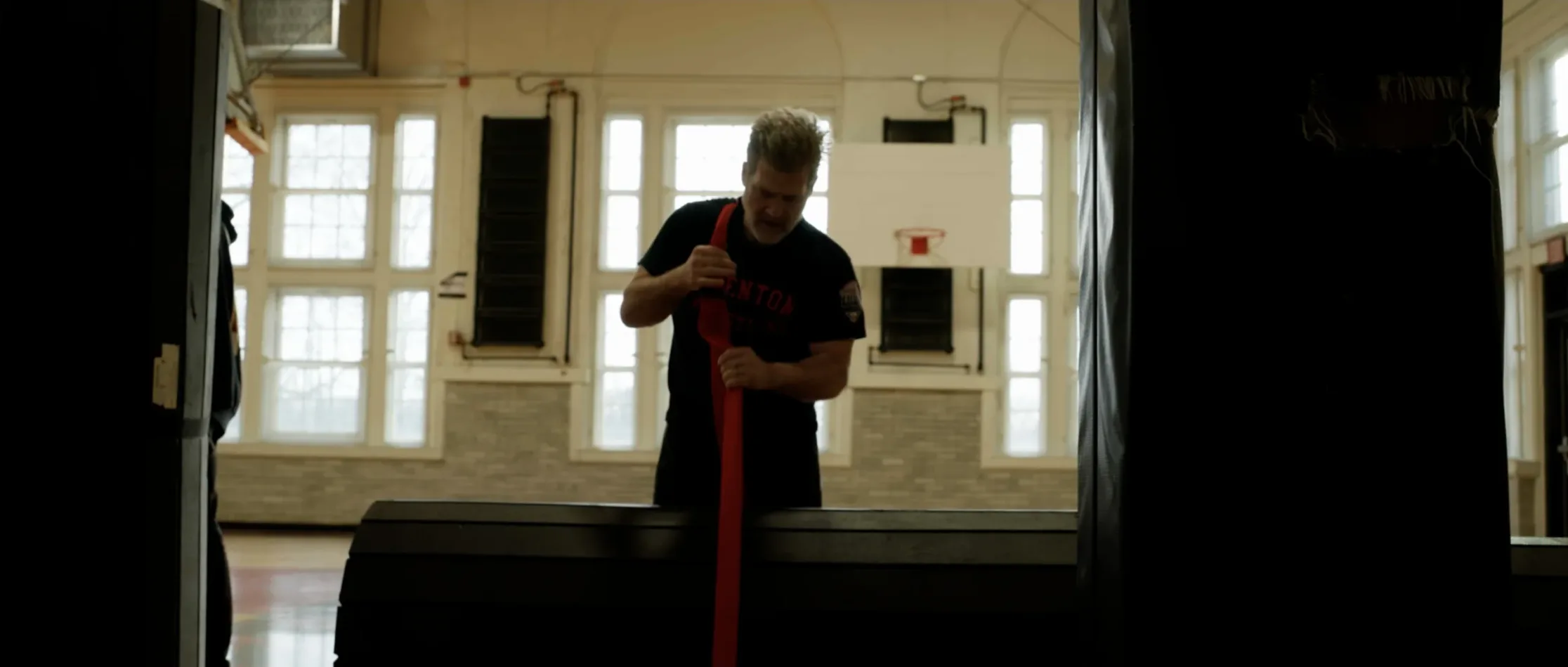
3. Real video demonstrates care, and audiences notice.
Real video is harder to make. It takes more time, money, and more people. Investing in real video shows commitment. This effort communicates something powerful about your brand. Choosing to invest in real human storytelling shows seriousness, credibility, intentionality, respect for your audience, and belief in your mission.
In other words, if you cannot show how your brand’s offering helps real people in a meaningful way, perhaps it doesn’t. If it does, then of course you would choose to demonstrate this to your audience.
In a world full of AI-generated content, taking the time to craft something real is a signal of legitimacy.
If a company won’t invest the resources into showing their real products or services, how do you know that they will care about their real customers?
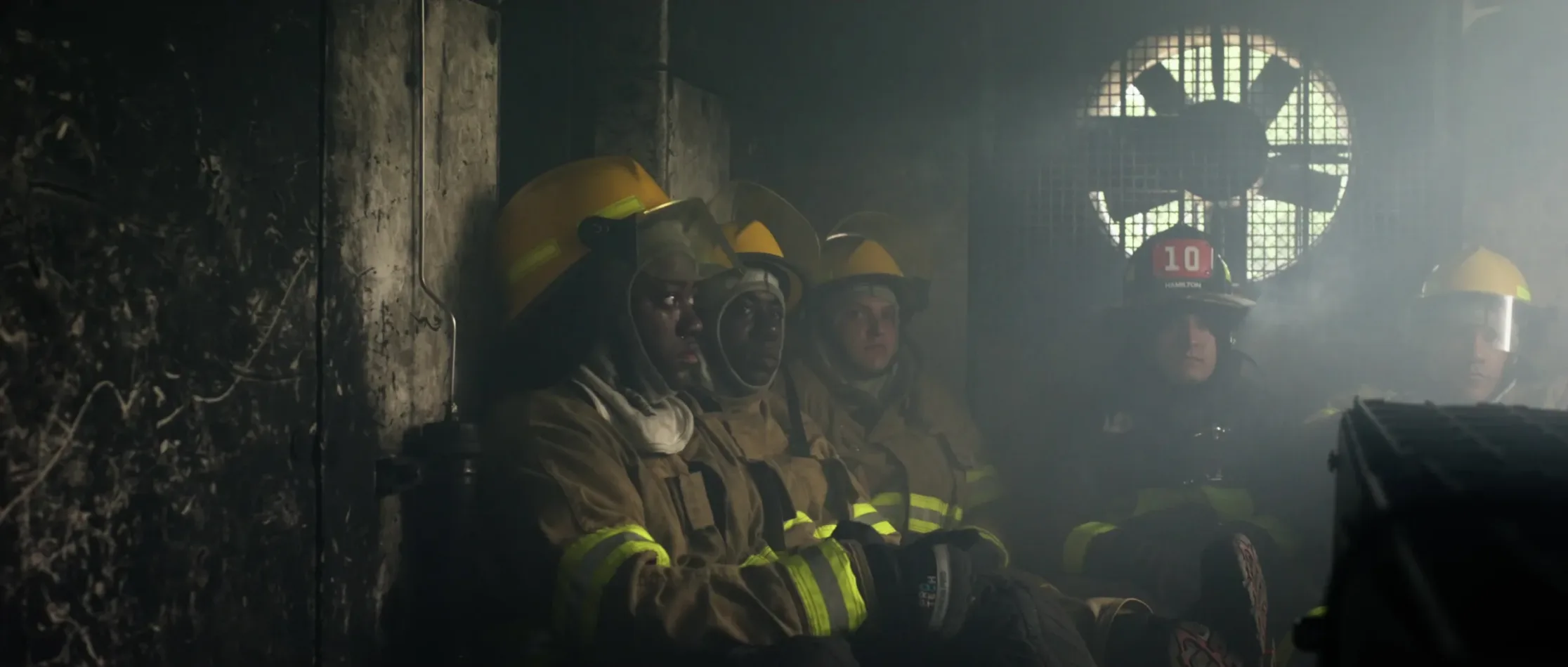
4. The more AI content exists, the more valuable real content becomes.
Generative AI is already flooding the internet with endless output. This creates a relative scarcity of humanity and realness. By default, then, real video will stand out.
What if the real and AI videos are visually indiscernible? Then make a point of proving the realness of your content. Capture behind-the-scenes content about how you make it and share the creative process with your audience. Brands that show the “real thing” will rise above the noise.
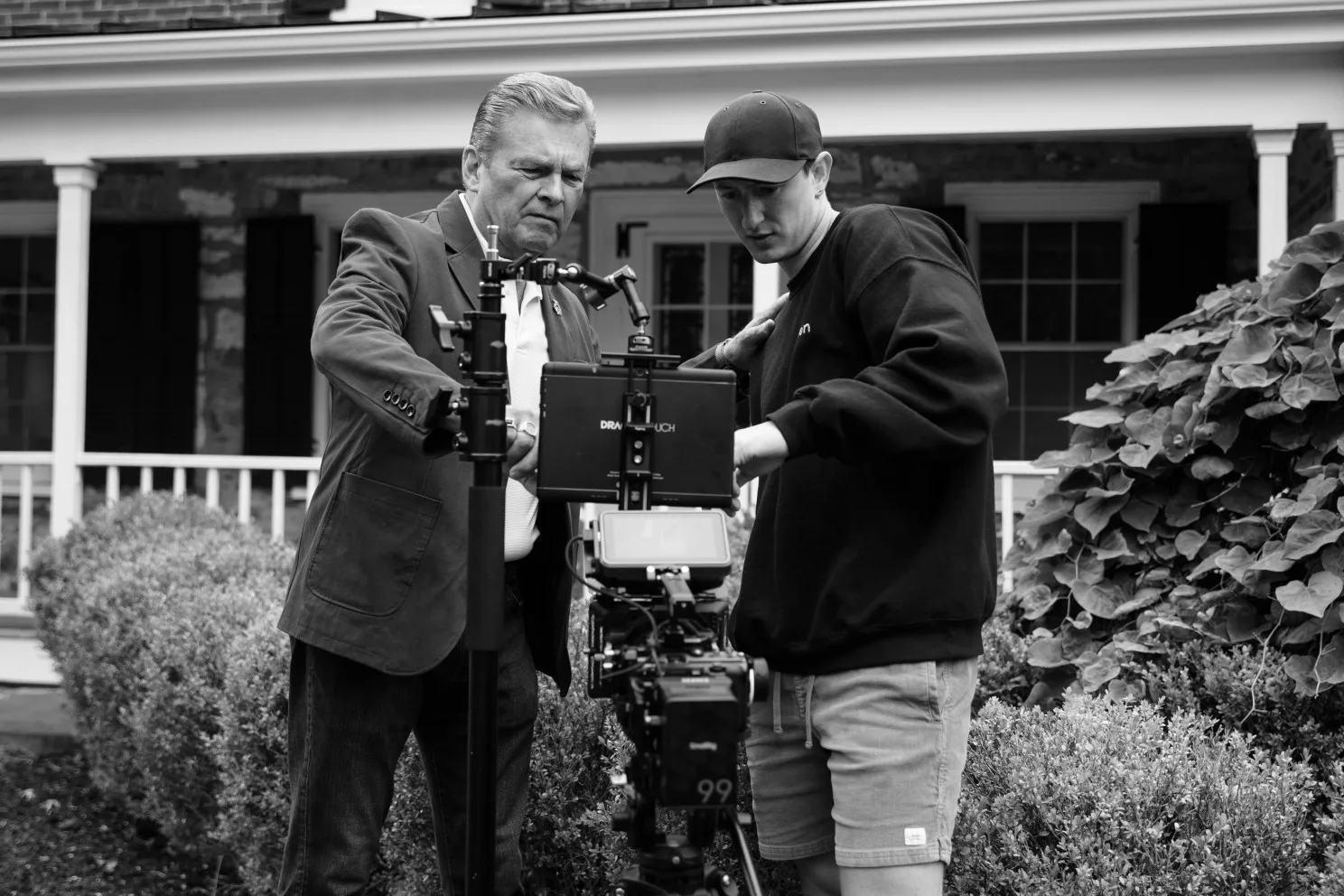
In an AI-dominated world, real video becomes your anchor of trust.
It's how you communicate who you are, how you connect emotionally, differentiate, and build credibility.
It's how you show you are worth investing in.
AI is an incredible tool to assist your marketing efforts, but it cannot be your marketing efforts. If your brand stands for something, let your customers see it for real.
If you are thinking about how to leverage video for your marketing, I recommend reaching out to Pollen Productions. The experienced team at Pollen can walk you through when and how to use AI effectively to improve your video marketing without sacrificing your legitimacy or message.
How are you thinking about balancing AI tools with human storytelling in your marketing?
No Comments.